
Radon measurement & mitigation solutions
What Is Radon?
Why Worry About Radon?
Why Worry About Radon?
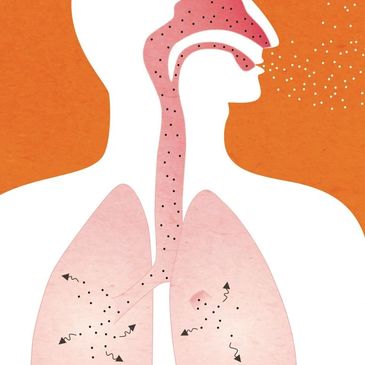
Radon is a naturally occurring radioactive gas that forms when tiny amounts of uranium in soil and rock break down. Once in gas form, it can seep through the ground and into your home, where it may build up to unsafe levels.
You can’t see, smell, or taste radon, which makes it impossible to detect without proper testing. Our job is to help
Radon is a naturally occurring radioactive gas that forms when tiny amounts of uranium in soil and rock break down. Once in gas form, it can seep through the ground and into your home, where it may build up to unsafe levels.
You can’t see, smell, or taste radon, which makes it impossible to detect without proper testing. Our job is to help keep those gases from entering your home and protect your family’s health.
Why Worry About Radon?
Why Worry About Radon?
Why Worry About Radon?
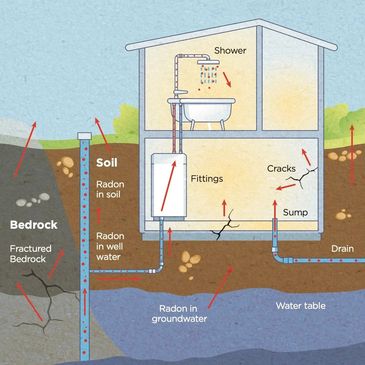
Radon gas seeps into homes through cracks, drains, sump pits, and other small openings in the foundation. Once inside, it gets trapped and can build up to harmful levels.
The danger? Breathing in radon over time is the leading cause of lung cancer—for non-smokers—because the gas directly damages lung tissue.
Outdoors, radon disperses harmle
Radon gas seeps into homes through cracks, drains, sump pits, and other small openings in the foundation. Once inside, it gets trapped and can build up to harmful levels.
The danger? Breathing in radon over time is the leading cause of lung cancer—for non-smokers—because the gas directly damages lung tissue.
Outdoors, radon disperses harmlessly. Indoors, it can concentrate to unsafe levels. That’s why testing and mitigation are so important for keeping your home safe.
Why It Matters?
Why Worry About Radon?
Why It Matters?
Radon is a colourless, odourless gas that can damage the cells in your lungs. Over time, this damage can lead to lung cancer—often without any early symptoms. In Ontario alone, radon is linked to about 850 deaths each year.
Because you can’t see, smell, or taste it, the only way to know if your home has high radon levels is through testing
Radon is a colourless, odourless gas that can damage the cells in your lungs. Over time, this damage can lead to lung cancer—often without any early symptoms. In Ontario alone, radon is linked to about 850 deaths each year.
Because you can’t see, smell, or taste it, the only way to know if your home has high radon levels is through testing.
There’s no truly “safe” level of radon, but health organizations set action levels where the risks rise sharply.
- Health Canada: 200 Bq/m³
- World Health Organization: 100 Bq/m³
- U.S. EPA: 4.0 pCi/L (about 150 Bq/m³)
If your test results are above these thresholds, it’s time to take action to protect your family.

Radon Testing & Measurement
Accurate, professional testing to determine your home’s radon levels.
Radon Mitigation
Custom systems designed to safely reduce radon levels in your home.
Our Partners


